
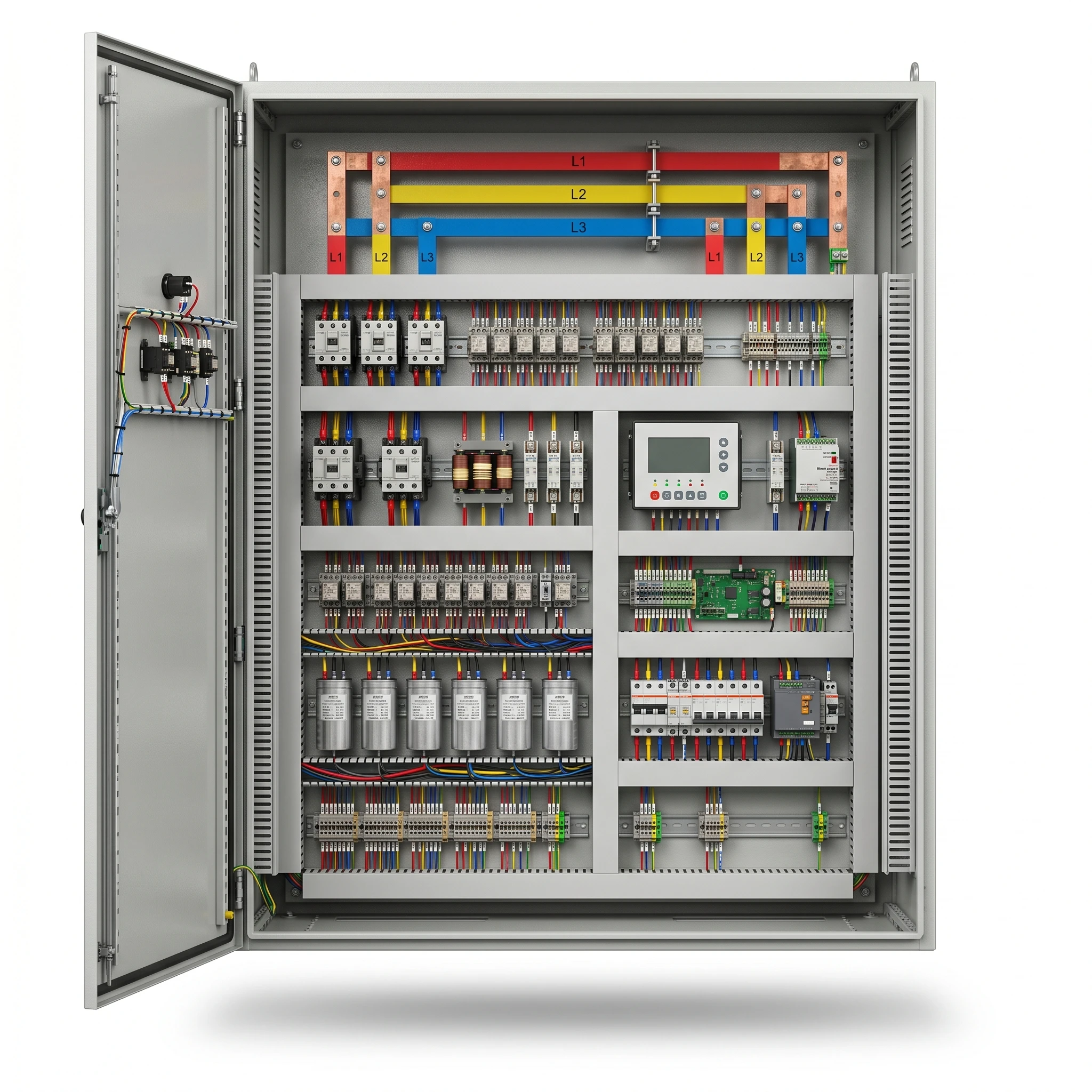
How to Choose the Right Electrical Control Panel for Your Needs
Whether you are setting up a new manufacturing facility, upgrading an outdated system, or scaling your operations, the electrical control panel is the central nervous system of your infrastructure. It regulates, oversees, and protects the circulation of electricity to your equipment.
Selecting the correct control panel is not a one-size-fits-all process. Making the wrong choice can lead to operational downtime, safety hazards, and costly repairs. Here is a comprehensive guide on how to evaluate your requirements and choose the perfect control panel for your needs.
1. Identify Your Specific Application
The first step in choosing a control panel is understanding the core function it needs to perform. Different operations require entirely different panel architectures.
Panel TypePrimary FunctionTypical ComponentsIdeal ApplicationPower Control Center (PCC)Main power distribution and meteringMain breakers, feeders, large busbarsDistributing power to various sections of a large facilityMotor Control Center (MCC)Centralized motor control and protectionMotor starters, contactors, overloadsIndustrial plants operating multiple heavy-duty motorsProgrammable Logic Controller (PLC)Automation and sequence controlMicroprocessors, I/O modules, relaysComplex, automated manufacturing and assembly lines
2. Define Your Electrical Requirements
Once you know the type of panel you need, you must match it strictly to your facility's power infrastructure.
- Voltage and Current Capacity: Ensure the panel is rated for your system's voltage and can handle the total maximum load without risking overheating or component failure.
- Short Circuit Withstand Capacity (SCWC): Your panel must be designed to safely handle sudden fault currents. An underrated panel can lead to arc flashes, electrical fires, and catastrophic equipment damage.
- Component Selection: Work with engineers to determine the exact circuit breakers, surge suppressors, and variable frequency drives (VFDs) required for your specific load types.
3. Consider the Operating Environment
The physical location of your control panel dictates the type of enclosure you need. The enclosure protects sensitive electronics from environmental damage and is graded by IP (Ingress Protection) or NEMA ratings.
- Clean, Indoor Settings: Standard IP42 or IP54 enclosures are usually sufficient for climate-controlled electrical rooms.
- Harsh or Outdoor Environments: If the panel will be exposed to rain, dust, or humidity, an IP65 or NEMA 4X rated enclosure is strictly necessary.
- Corrosive or Hazardous Areas: Facilities dealing with chemicals, food processing, or explosive dust require specialized stainless steel or ATEX-certified explosion-proof enclosures.
4. Plan for Scalability and Maintenance
Businesses evolve, and your electrical infrastructure should be able to grow with you. A shortsighted design can result in having to rip out and replace a panel entirely just to add a few new machines.
- Spare Capacity: Always size your enclosure and busbars to allow for a 20% to 30% growth margin. Leave physical space on the DIN rails for future relays or breakers.
- Modular Design: Opt for panels with modular compartments that allow you to integrate new systems seamlessly.
- Organized Wiring: Insist on neat wire routing with spacious wire ducts, color-coded cables, and clear labeling. This saves maintenance teams hours of troubleshooting during a breakdown.
5. Prioritize Safety and Compliance
A control panel must adhere to strict regulatory standards to ensure the safety of your operators and your equipment.
- Industry Certifications: Verify that the panel is built in compliance with relevant safety standards, such as IEC 61439 internationally or UL 508A.
- Thermal Management: Electrical components generate heat. Ensure the design includes adequate ventilation, fans, or internal air conditioning units to prevent overheating.
- Premium Materials: Do not compromise on build quality. High-grade copper busbars and premium switches will drastically extend the lifespan of your system.
Let Aarkelectrotech Guide Your Decision
Navigating the technical specifications, load calculations, and safety standards of electrical control panels can be complex, but you do not have to do it alone.Contact us
Aarkelectrotech offers a free consultation to evaluate your specific customer needs. Their experts will help you design, customize, and install a reliable control panel solution that aligns perfectly with your operational goals, safety requirements, and budget.
Frequently Asked Questions (FAQs)
What is the difference between a PCC and an MCC panel?
A Power Control Center (PCC) acts as the main hub, distributing power throughout an entire facility. A Motor Control Center (MCC) is a specialized panel designed specifically to control, protect, and monitor electric motors.
How do I know what size enclosure I need?
Enclosure size is dictated by the physical dimensions of your internal components, the necessary wire bending space, and thermal management requirements. It is best practice to factor in extra space for future equipment expansion.
Can an electrical control panel be customized?
Yes. High-quality control panels are almost always custom-engineered. You can tailor the voltage ratings, automation complexity, enclosure materials, and physical dimensions to fit your exact industrial processes.
Why is an IP or NEMA rating important?
These ratings certify an enclosure's ability to protect the internal electrical components from environmental hazards like dust ingress, water projection, and corrosive chemicals, ensuring the system remains safe and functional over time.