
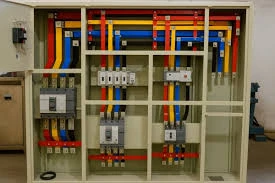
LT Panel – Complete Guide to Low Tension Electrical Panels
Introduction to LT Panels
An LT Panel (Low Tension Panel) is an essential electrical distribution system used for controlling, monitoring, and distributing electrical power safely in industrial, commercial, and residential applications. LT Panels operate at voltages up to 1000V and play a major role in ensuring uninterrupted and efficient power distribution.
Modern industries depend on high-quality LT Panels for electrical safety, operational efficiency, and reliable power management. These panels are designed with advanced protection systems to prevent overloads, short circuits, and equipment damage.
What is an LT Panel?
LT Panel stands for Low Tension Panel, also known as a Low Voltage Electrical Panel. It receives power from transformers or generators and distributes electricity to various electrical loads and equipment.
LT Panels are widely used in:
- Industries
- Manufacturing Units
- Commercial Buildings
- Hospitals
- Shopping Malls
- Educational Institutions
- IT Parks
- Residential Complexes
These panels are manufactured using high-quality electrical components and comply with industrial safety standards.
Importance of LT Panels in Electrical Systems
LT Panels are one of the most important components in any electrical infrastructure because they help:
- Ensure safe power distribution
- Protect electrical equipment
- Reduce downtime
- Improve operational efficiency
- Monitor electrical performance
- Manage power loads effectively
Without proper LT Panels, electrical systems may face frequent failures, overloads, and safety hazards.Visit Home
Types of LT Panels
1. PCC Panel (Power Control Center)
PCC Panels are used for controlling and distributing power from the main electrical source to different loads and departments within a facility.
Features:
- Centralized power control
- High fault protection
- Easy maintenance
- Reliable power distribution
2. MCC Panel (Motor Control Center)
MCC Panels are specially designed to control electric motors used in industries and manufacturing plants.
Applications:
- Pumps
- Compressors
- Conveyors
- HVAC Systems
Benefits:
- Motor protection
- Easy motor operation
- Reduced maintenance cost
3. APFC Panel (Automatic Power Factor Correction)
APFC Panels improve power factor automatically using capacitor banks.
Advantages:
- Reduces electricity bills
- Improves energy efficiency
- Minimizes power losses
- Prevents utility penalties
4. Distribution Panel
Distribution Panels distribute electrical power to different sections of a building or facility.
Common Uses:
- Offices
- Apartments
- Commercial Buildings
- Industrial Units
5. Synchronizing Panel
Synchronizing Panels are used to synchronize multiple generators or power sources for smooth power management.
Main Components of an LT Panel
An LT Panel consists of several electrical components including:
Circuit Breakers
Used for overload and short-circuit protection.
Busbars
Conduct electrical power within the panel.
Contactors
Used for switching electrical loads.
Relays
Provide protection and automation functions.
Capacitors
Used in APFC Panels for power factor improvement.
Meters and Indicators
Monitor voltage, current, frequency, and power consumption.
Advantages of LT Panels
1. Enhanced Electrical Safety
LT Panels provide protection against:
- Overloads
- Short circuits
- Earth faults
- Voltage fluctuations
2. Reliable Power Distribution
Ensures smooth and uninterrupted power supply across the facility.
3. Energy Efficiency
Modern LT Panels help reduce energy losses and improve system efficiency.
4. Easy Monitoring and Maintenance
Digital meters and automation systems simplify maintenance operations.
5. Customizable Design
LT Panels can be customized based on industry requirements.
Applications of LT Panels
LT Panels are used across multiple industries and sectors including:
- Textile Industries
- Manufacturing Plants
- Hospitals
- Commercial Buildings
- Hotels
- Data Centers
- Warehouses
- Educational Institutions
- Infrastructure Projects
LT Panel Manufacturing Process
Professional LT Panel manufacturers follow strict quality standards during manufacturing.
Steps Involved:
- Design & Engineering
- Sheet Metal Fabrication
- Busbar Installation
- Component Assembly
- Wiring & Testing
- Quality Inspection
- Final Dispatch
Proper testing ensures the panel meets industrial safety standards.
Key Features of High-Quality LT Panels
- Durable Construction
- Powder-Coated Finish
- High Electrical Safety
- Modular Design
- Efficient Heat Dissipation
- Easy Cable Management
- Advanced Protection Systems
How to Choose the Right LT Panel Manufacturer
When selecting an LT Panel manufacturer, consider:
- Industry Experience
- Quality Certifications
- Customization Options
- After-Sales Support
- Technical Expertise
- Safety Compliance Contact us
- Testing Facilities
Choosing the right manufacturer ensures long-term reliability and safety.
Why LT Panels are Important for Industries
Industries rely heavily on continuous electrical power. LT Panels help industries by:
- Reducing downtime
- Protecting machinery
- Improving operational efficiency More blogs
- Managing heavy electrical loads
- Supporting automation systems Our blogs
A properly designed LT Panel increases productivity and reduces maintenance costs. Our blogs